
By Dylan Beardsley October 15, 2026
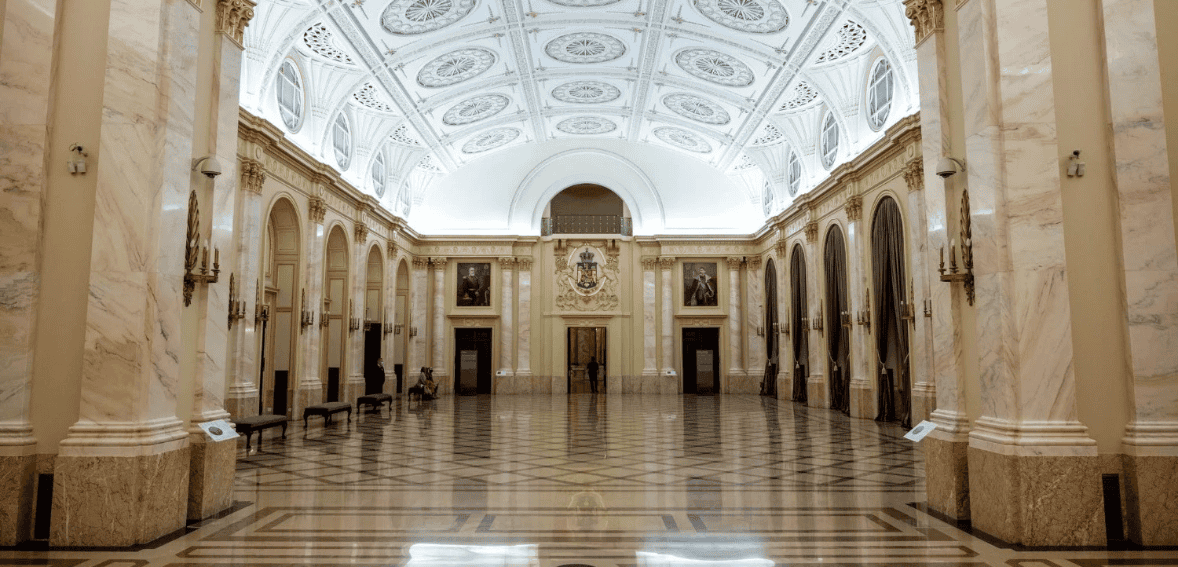
A mid-size art museum quoted a wedding reception for 180 guests in its sculpture court and confirmed the date. Four weeks out, the registrar flagged that a traveling exhibition would be in installation that week, with crates staged in the adjacent corridor that doubles as the catering route. The wedding planner had already sent save-the-dates. The museum moved the reception to a smaller gallery, comped a third of the fee, and the exhibition install ran with two extra security staff because the corridor had to stay clear by 4pm each day.
Nobody did anything wrong. The rentals coordinator had no visibility into the install calendar, which lived with the registrar, and the curator who would have objected was never asked because the inquiry never reached her. Venue rental in a museum or gallery is unlike rental in a hotel or event hall for one reason: the building has a job already, and the collection is not negotiable. Museum event rental software that works is mostly a system for getting the right objections raised early, while the date is still a question rather than a promise. This covers the approval structure, what the inquiry has to capture, and the after-hours realities that make an evening event cost more than the quote suggests.
Why Museum Rentals Carry More Approval Layers Than Other Venues
Because three different departments can veto the same event for unrelated reasons, and in most institutions none of them report to the person selling the rental. A hotel sales manager can confirm a ballroom. A museum rentals coordinator is brokering access to objects held in trust, in a building with environmental controls, during hours when the staff who normally watch the galleries have gone home.
The parties who legitimately need a say:
- Curatorial, on whether an event is appropriate near specific works and whether the content of the event creates a conflict with the art on view
- Collections or registration, on install and deinstall schedules, loan agreement terms, and object movement
- Facilities, on HVAC run time, load capacity, power, and whether the loading dock is available
- Security, on guard coverage, egress, and after-hours access control
- Development, on whether the renter conflicts with a sponsor, a donor, or a planned institutional event
- Finance, on pricing exceptions and on the tax treatment of the revenue
Software does not replace this chain. It makes the chain visible and timed, so that a hold is a hold until the gates clear rather than a confirmation the sales side has already communicated. Institutions accredited through the American Alliance of Museums will also find that their own collections stewardship and institutional code of ethics documents constrain what can be rented and under what conditions, which means the policy exists in writing and just needs to be enforced in the workflow.
What a Museum Rental Inquiry Form Should Capture
Far more than date, headcount, and budget. The purpose of the inquiry form is to surface the facts that trigger a departmental review, which means asking questions a hotel never asks.
- Event type and purpose, in plain language, including whether the event is political, promotional, or tied to a brand
- Exact timing including load-in and load-out, not just the event window
- Whether alcohol will be served, and whether the renter or a licensed caterer holds the permit
- Catering plan, including hot food, open flame, and where food will be staged and plated
- Decor intentions: candles, florals, draping, signage, anything attached to a wall or suspended
- Amplified sound, staging, lighting changes, and whether gallery lighting needs to be altered
- Photography and video plans, and whether images of works on view will be published
- Dancing, which changes floor loading and vibration considerations in older buildings
- Vendor list with certificates of insurance, naming the institution as additional insured
Getting this at inquiry rather than at contract is the difference between declining cleanly and canceling awkwardly. A museum event rental software setup earns its cost largely here, by making the inquiry form long enough that unsuitable events disqualify themselves before anyone spends time on them.
Building the Curator and Collections Gate Into the Booking Flow
The booking status model needs more states than available, held, and confirmed. At minimum: inquiry received, under internal review, conditionally held pending approvals, approved and contracted, confirmed with deposit. The conditional hold is the important one, because it lets the rentals team protect a date without promising it.
Routing should be conditional rather than universal, or the curators stop reading the notifications. Build triggers:
| Inquiry condition | Routes to | Typical question |
| Event in a gallery with works on view | Curatorial, collections | Appropriate proximity, barriers needed, any loaned works |
| Date within an install or deinstall window | Collections, facilities | Route conflicts, crate staging, dock access |
| Alcohol served | Security, risk, facilities | Coverage level, spill risk, permit and insurance |
| Attendance above a set threshold | Security, facilities | Egress capacity, guard count, HVAC load |
| Open flame, florals, or attached decor | Collections, facilities, security | Pest risk, fire code, wall penetration |
| Corporate or branded event | Development, director | Sponsor conflicts, logo placement, mission alignment |
| After 6pm on a non-event night | Facilities, security | Call-in staffing, overtime, systems run time |
Each gate needs an owner, a due date, and a default. The default matters: an approval request that sits unanswered should expire the hold rather than silently approve, and the requester should be told when it does. Institutions that build silent approval into the workflow eventually book something a curator would have refused, and the fault then sits with the system.
Record the conditions with the approval, not just the yes. A curator who approves an event subject to stanchions at a specific distance from a work has given a conditional approval, and that condition becomes a line in the event order and a check on the day-of walkthrough.
Which Spaces Can Host What
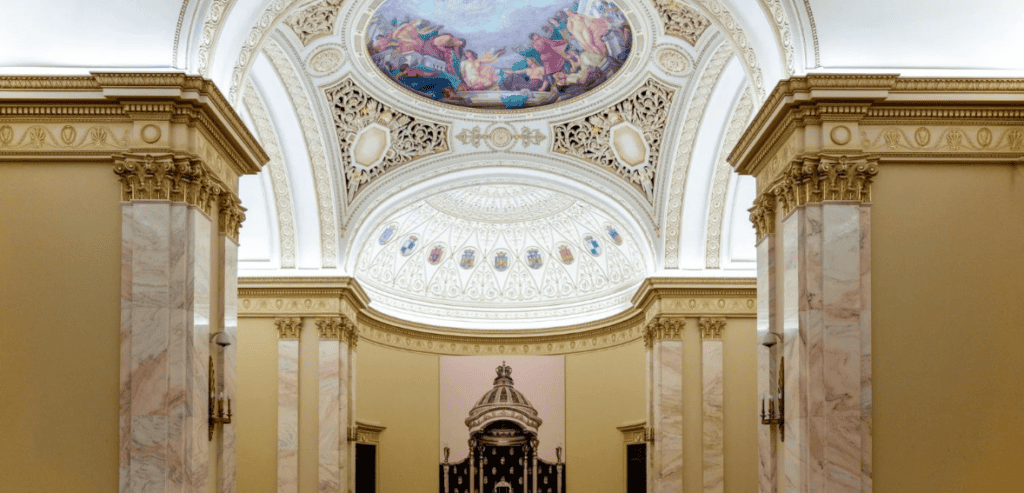
Space rules should live in the system as attributes rather than in the coordinator’s memory. Each rentable space needs its own record carrying capacity by setup type, what is permitted, and what triggers escalation.
Capacity is not one number. A sculpture court holds a very different count standing with a bar than seated at rounds with a dance floor, and the governing figure comes from the occupant load calculation under the applicable life safety code as interpreted by your local fire marshal, not from what fit last time. Keep the fire marshal’s number in the record and treat the sales capacity as the lower of that and what the space works for.
What else belongs on a space record:
- Permitted uses and prohibited uses, with the prohibition reason attached so staff can explain it
- Minimum distance requirements from works, cases, or architectural features
- Floor type and load limits, which govern staging, dance floors, and heavy bars
- Power available and whether a generator or distro is needed
- Whether gallery lighting can be dimmed or altered, and the limits on that
- Environmental constraints, since museum HVAC is typically set for collections rather than for 200 warm bodies, and ASHRAE’s guidance for museums, galleries, archives and libraries sets much narrower temperature and humidity bands than comfort cooling assumes
- Light exposure limits where sensitive materials are on view, often in the range of 50 lux for textiles, works on paper, and photographs
The last two points are where event lighting plans and collections care collide. An uplighting package that looks modest in a hotel ballroom can exceed exposure guidance for works on paper, and a room full of guests pushes relative humidity up fast in a sealed gallery. Both are solvable with planning and neither is solvable at 7pm on the night.
After-Hours Costs: Security, HVAC, and Staffing
Evening events cost more than the daytime equivalent and most institutions underprice them because the quote covers the obvious line items. The real cost structure for an after-hours event in a museum:
Security is usually the largest variable. Coverage is driven by the number of galleries open, the number of entry points in use, and headcount, and after-hours work typically carries a premium or overtime rate. A ratio of one officer per gallery space in use plus post coverage at entries and the dock is a common starting point, with additional coverage when alcohol is served.
Facilities and engineering carry the HVAC run time, which in a collections building is not a thermostat change but a managed adjustment, plus an engineer on site for the duration. Extending run time before and after the event to stabilize conditions is standard, and it means the building is drawing energy for several hours longer than the event window.
Then the smaller items that add up: a visitor services or house lead, coat check staffing, elevator operation, additional janitorial for the next morning opening, and in some institutions a collections staff member on site whenever the galleries are occupied outside normal hours.
Price the event on the full window including load-in and load-out, not the guest hours. A six-hour reception with a four-hour load-in and a two-hour strike is a twelve-hour building day, and the institution pays for all of it.
Catering Rules Near a Collection
Catering restrictions in a museum are about pests, spills, humidity, and fire, in roughly that order of how often they cause actual damage.
Fresh florals and live plants are an integrated pest management problem. Insects arrive in flowers, and a museum’s pest program exists precisely to keep them out of spaces where organic materials are stored and displayed. Many institutions prohibit fresh florals in gallery spaces entirely or require them to be inspected and staged outside the building first.
Open flame is generally prohibited outright, which includes taper candles, sternos in galleries, and anything the renter describes as a small controlled flame. The codes governing protection of cultural resource properties are strict here and the fire marshal will not be flexible about it. Battery votives are the standard substitute and the contract should name them.
Red wine, beets, turmeric, and anything else that stains should be restricted in spaces with light stone, textiles, or carpeting the institution cannot replace. Hot food plated in a gallery raises humidity and leaves aerosolized grease, so plating is usually pushed to a staging area with a defined route that does not pass within a set distance of works.
Approved caterer lists do more work than a rulebook, because a caterer who has worked the building knows the dock timing, the elevator size, and which corridor is off limits. Keep the list in the system with insurance expiry dates tracked, and require a site visit for any caterer not on it.
The Calendar Conflicts That Cost More Than Money
The expensive conflicts are not double bookings. They are rentals that collide with the institution’s own work, and they are invisible unless the rental calendar and the institutional calendar are the same calendar.
Exhibition install and deinstall windows need to be blocked on the rental calendar before they are final, as soft blocks that convert to hard blocks when dates are set. Loan agreements sometimes carry conditions about events in the space where a borrowed work hangs, which means the loan terms are a constraint on rentals and the registrar is the only person who knows it. Member previews, donor cultivation events, education programs, and board meetings all compete for the same evenings.
Then there is the conflict nobody puts on a calendar: a corporate renter whose industry sits awkwardly against the content of the current exhibition, or against a funder’s stated interests. Development needs a look at the renter name, not just the date, and that review has to happen before the hold is communicated as a yes.
An institution that runs rentals, exhibitions, programs, and development events on one calendar with departmental visibility will decline some bookings it would otherwise have taken. That is the system working. The cost of a rental program that generates revenue while quietly straining collections care and staff goodwill is harder to see on a report and considerably more expensive to fix.
Two notes worth raising with your own advisors. Rental revenue in a nonprofit institution can create unrelated business income depending on how much service is bundled with the space, and the analysis turns on specifics rather than on a general rule, so have your CPA review how your rental program is structured and reported. And occupant loads, fire code interpretations, and liquor licensing all vary by jurisdiction, so the governing numbers are whatever your local authorities say they are.